· Ashley Anderson · men's health · 7 min read
Frequent Headaches in Men: 8 Causes + 4 Patterns That Tell You When It's Serious
This article contains affiliate links, which means that if you click on one of the product links and make a purchase, we may receive a small commission at no additional cost to you. We only recommend products and services that we believe in and think will add value to our readers.
Frequent headaches in men over 40 are usually one of 8 causes — tension (most common), dehydration, sleep apnea, hypertension, cluster, migraine, medication overuse, or sinus — and they fall into 4 timing patterns that distinguish benign from urgent. Here's the diagnostic chart.

Frequent headaches in men are almost always one of 8 root causes — tension (most common, bilateral pressure), dehydration (most reversible), sleep apnea (worst at morning), undiagnosed hypertension (occipital pressure pattern), cluster headaches (unilateral, around-the-eye, in cycles), migraine with aura (visual disturbance before pain), medication overuse (rebound from NSAIDs/tylenol when taken >10 days/month), or sinus (frontal pressure with congestion). The 4 patterns that distinguish them — bilateral vs unilateral, throbbing vs pressure, sudden vs gradual, morning vs evening — let you narrow to 1-2 candidates in 30 seconds. Here are the 8 causes + the 4-pattern diagnostic chart + 3 red flags that warrant same-day medical attention (thunderclap onset, neurological symptoms like weakness or vision loss, fever with neck stiffness) and the 4 home-treatment protocols for the benign cases.
Understanding the Problem: Common Causes of Frequent Headaches in Men
Stress and Anxiety
In today’s fast-paced world, stress and anxiety are common triggers for headaches. Work pressures, financial worries, and personal relationships can all contribute to a heightened stress response, leading to frequent headaches. If you find yourself constantly under pressure, it might be time to explore stress management techniques or seek professional help.
Poor Sleep Habits
Sleep deprivation is a significant factor in frequent headaches. Men who struggle with insomnia or have irregular sleep patterns are more likely to experience headaches. Ensuring you get enough quality sleep can make a significant difference in reducing the frequency of headaches.
Dehydration and Poor Diet
A diet lacking in essential nutrients and adequate hydration can lead to frequent headaches. Men who don’t drink enough water or consume a balanced diet may find that their bodies are more prone to headaches. Making sure you stay hydrated and eat a nutritious diet can help alleviate this issue.
Physical Strain and Posture
Men who engage in physically demanding work or have poor posture are at a higher risk of developing frequent headaches. Prolonged periods of sitting or standing in the wrong position can strain the neck and back muscles, leading to headaches.
The 4-Pattern Diagnostic Chart for Frequent Headaches in Men
When frequent headaches in men become a daily or weekly pattern, the 4 dimensions below narrow the 8 root causes to 1 or 2 candidates in about 30 seconds.
Bilateral vs Unilateral
Bilateral pressure across the forehead, temples, and back of the head points to tension, dehydration, or hypertension. Unilateral throbbing — pain locked to one side — points to migraine with aura or cluster headaches. Sinus headaches can land on either side depending on which sinus is congested.
Throbbing vs Pressure
Throbbing pain that pulses with the heartbeat is vascular: migraine, cluster, or hypertension-related. Constant pressure or squeezing pain is muscular or sinus: tension, dehydration, or sinus congestion. The distinction matters because muscle relaxants don’t help vascular headaches and vasoconstrictors don’t help muscle-tension headaches, so the pattern picks the OTC class that actually works.
Sudden vs Gradual Onset
A headache that hits maximum intensity within 60 seconds (thunderclap onset) is a medical emergency: subarachnoid hemorrhage, ischemic stroke, and reversible cerebral vasoconstriction syndrome all present this way. Gradual onset over 30 minutes to several hours is benign: tension, migraine, sinus, dehydration, or medication overuse. The red-flag window is the first hour — if pain plateaus or climbs gradually rather than peaking instantly, thunderclap is off the table.
Morning vs Evening
Morning headaches that fade by mid-afternoon point to sleep apnea, undiagnosed hypertension, or alcohol-related. Evening headaches that build through the workday point to tension, eye strain, or posture. Medication-overuse headaches tend to be present on waking and improve as the next dose wears off, a tell that the cause is the treatment itself.
Introducing a Solution: ComfiTECH Cold Cap & Neck Ice Pack Wrap Gel
If you’re looking for a reliable way to manage frequent headaches, the ComfiTECH Cold Cap & Neck Ice Pack Wrap Gel is a game-changer. This innovative product combines the soothing effects of cold therapy with a comfortable, adjustable design that targets both your head and neck.
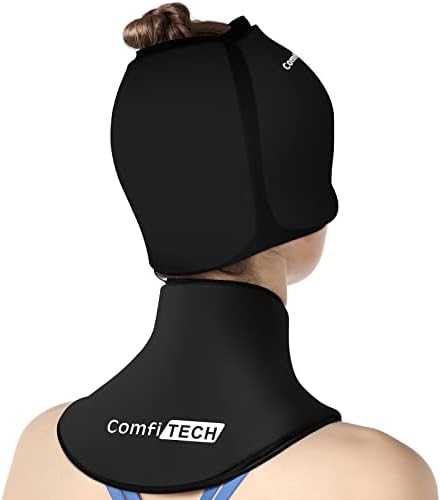
You can purchase this product directly from Amazon.
Pros and Cons of the ComfiTECH Cold Cap & Neck Ice Pack Wrap Gel
Pros:
- Effective Pain Relief: The cold therapy provided by this wrap gel is highly effective in reducing headache pain.
- Comfortable Design: The adjustable straps ensure a perfect fit, making it comfortable to wear for extended periods.
- Versatile Use: It can be used not only for headaches but also for neck pain and other ailments.
Cons:
- Initial Cold Shock: Some users might find the initial cold shock uncomfortable.
- Needs Refrigeration: The wrap gel needs to be refrigerated before use, which can be a minor inconvenience.
- May Not Suit All Head Sizes: The one-size-fits-all design might not be perfect for all head sizes.
Who Benefits from the ComfiTECH Cold Cap & Neck Ice Pack Wrap Gel?
This product is ideal for men who suffer from frequent headaches, migraines, or neck pain. Whether you’re dealing with stress-induced headaches or physical strain from work, this ice pack wrap can provide much-needed relief.
Scenarios Where the ComfiTECH Cold Cap & Neck Ice Pack Wrap Gel is Best Used
- Office Work: If you spend long hours at a desk, this wrap can help alleviate tension headaches caused by poor posture.
- Physical Labor: For men engaged in manual labor, the wrap can soothe neck and head pain after a hard day’s work.
- Travel: Frequent travelers can benefit from the portability and effectiveness of this ice pack wrap during long journeys.
Step-by-Step Instructions for Using the ComfiTECH Cold Cap & Neck Ice Pack Wrap Gel
- Refrigerate the Wrap: Place the wrap in the refrigerator for at least 2 hours before use.
- Position the Wrap: Adjust the straps to fit comfortably around your head and neck.
- Apply Pressure: Gently press the wrap against the affected areas, focusing on the temples and back of the neck.
- Relax: Lie down or sit comfortably, allowing the cold therapy to take effect for about 15-20 minutes.
- Remove and Repeat: Remove the wrap and wait for at least 30 minutes before reapplying if needed.
Quick Takeaways
- Frequent headaches in men can be caused by stress, poor sleep, dehydration, and physical strain.
- The ComfiTECH Cold Cap & Neck Ice Pack Wrap Gel provides effective pain relief through cold therapy.
- This product is versatile and can be used for various types of headaches and neck pain.
- Proper use involves refrigerating the wrap before application and following a specific routine for optimal results.
- Men who suffer from frequent headaches can greatly benefit from this product, improving their overall quality of life.
Conclusion
Frequent headaches can be a significant hindrance to your daily life, but understanding the causes and using effective solutions like the ComfiTECH Cold Cap & Neck Ice Pack Wrap Gel can make a world of difference. By addressing the root causes and utilizing this innovative product, you can take control of your headache pain and improve your overall well-being. Don’t let frequent headaches hold you back—take action today!
FAQs
Q: What are some common triggers for frequent headaches in men? A: Common triggers include stress, poor sleep habits, dehydration, and physical strain.
Q: How can I prevent frequent headaches? A: Preventing frequent headaches involves managing stress, improving sleep quality, staying hydrated, and maintaining good posture.
Q: Can the ComfiTECH Cold Cap & Neck Ice Pack Wrap Gel be used for migraines? A: Yes, this product is effective in providing relief from both headaches and migraines.
Q: How long should I use the ice pack wrap for optimal results? A: For best results, apply the wrap for 15-20 minutes at a time and repeat as needed.
Q: Are there any side effects to using cold therapy for headaches? A: Cold therapy is generally safe, but some users might experience initial discomfort or skin irritation. Always follow the instructions for proper use.
If you’re experiencing frequent headaches, it’s essential to identify the triggers and take proactive steps to manage them. Share this article with other men who might be struggling with the same issue, and let’s raise awareness about effective solutions for frequent headaches.